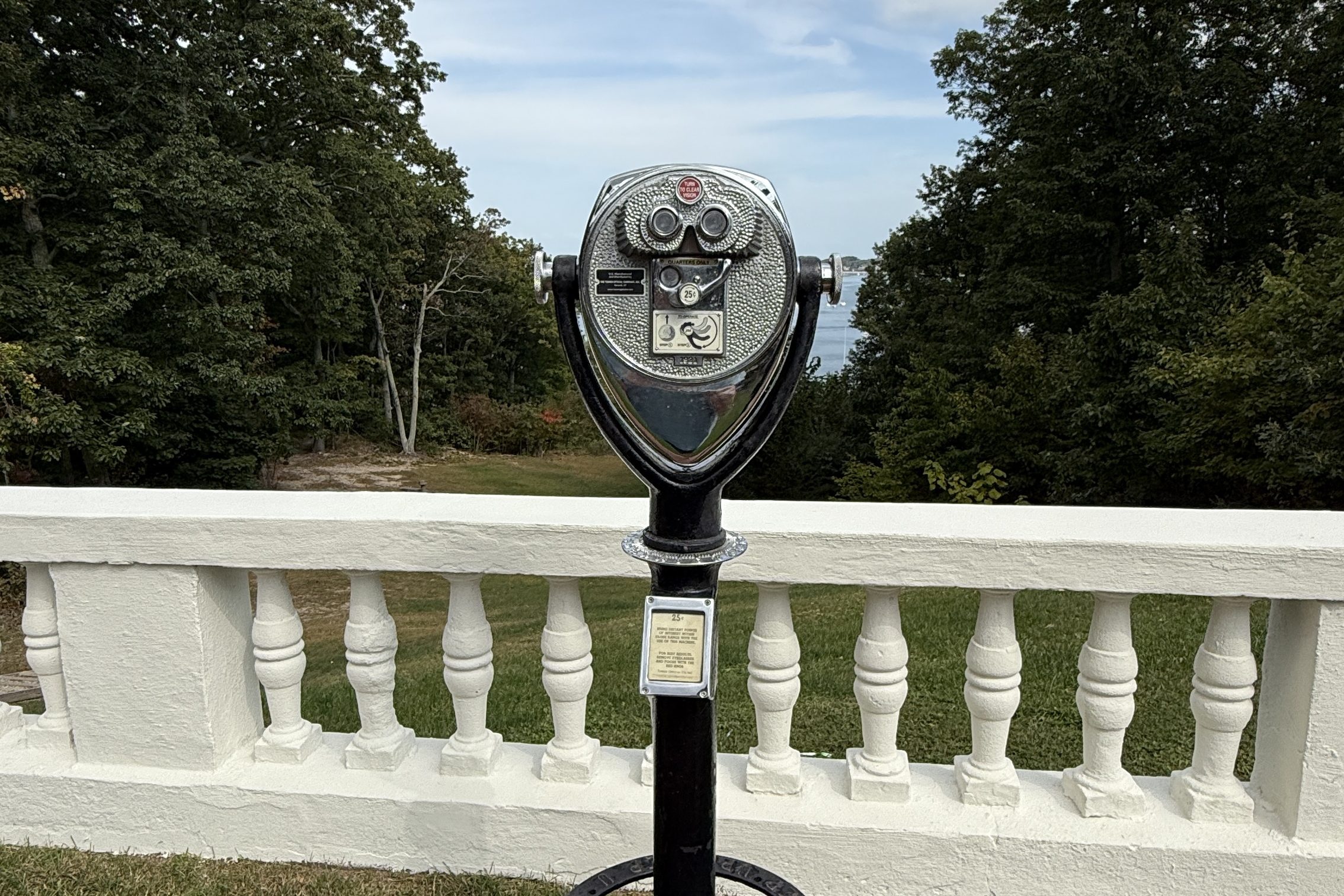
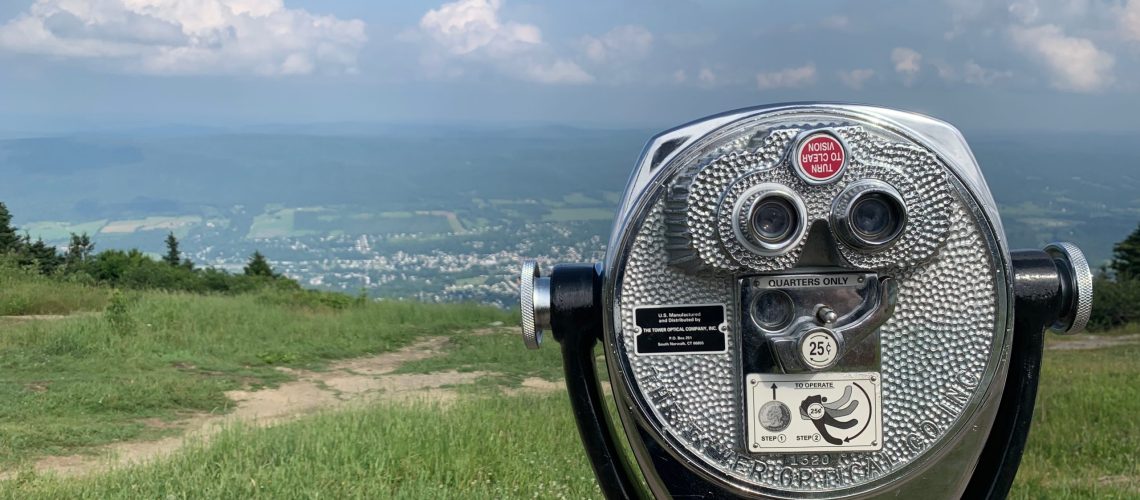
Connecticut’s manufacturing industry history is about as rocky as its geography. For a company founded in Connecticut to stay in Connecticut, let alone operate for decades, is remarkable. Norwalk’s historical roots have always been its manufacturing industries. Tower Optical is one of those stories.
Founded in 1932 in East Norwalk, Tower Optical created the iconic binocular viewers that have been installed at scenic locations all over the world. It is always fun to find one in unexpected places. They are truly iconic, from the shape of the binocular viewer to the sturdy pedestal. You’d recognize it in silhouette anywhere.
The fully cast bronze viewers were mostly built 60 years ago and built to last. Considering the rough environments that they are found, the choice made sense. They operated without screens, without electricity, and without fail in some of the harshest outdoor climates. Until the invasion of smartphones began to change how people enjoyed looking at scenic locations.
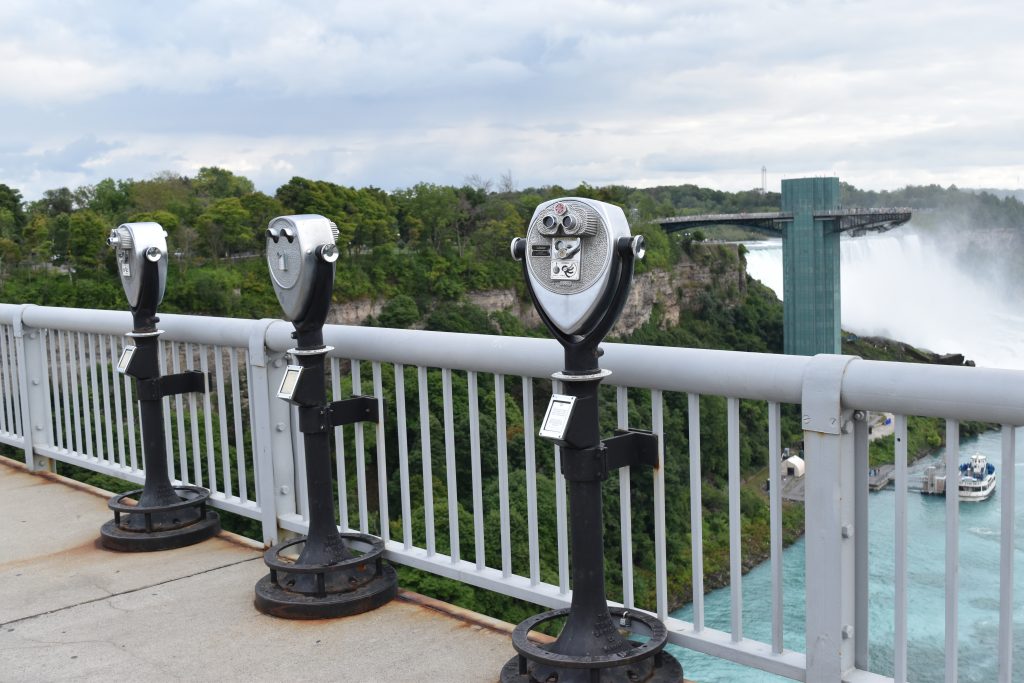
But it wasn’t the addiction to selfies that caused the biggest disruption to the Tower Optical viewers. Nor was it the usual challenges of manufacturing in Connecticut. Like getting parts and servicing equipment, as those skills vanished over time, and suppliers closed or moved away.
It was the quarter, or rather, the lack of loose change once carried by everyone everywhere. While credit cards have been around for decades, they weren’t often used for small transactions. It took the rise of credit card reward chasing and the pandemic to truly force change. Coins managed to survive centuries, wars, civilization collapse, and Wall Street shenanigans. But contactless payment surged past the last resistance to credit card payments. And with it came the ability to pay by phone, and then through the Apple Watch via services like Apple Pay. Every coin-operated machine that once dominated America’s landscape struggled with payments. It seemed that people still went to those gorgeous scenic locations, but didn’t have any quarters.
Meanwhile, the family that operated Tower Optical, the company, still ran it, not by computer, but by paper. The company was founded by Towers F. Hamilton, and then, several generations later, Greg Rising was the latest in line to lead the company. The business model was one built on tradition. Handshakes and index cards noting the rough location of a viewer, and the name of the person who would go out and retrieve quarters while checking the binoculars and machinery. Thousands of pins on a big wall map hung in the office in East Norwalk marked where the machines were located. The skills to keep the machines working fell on a smaller team as time marched on.
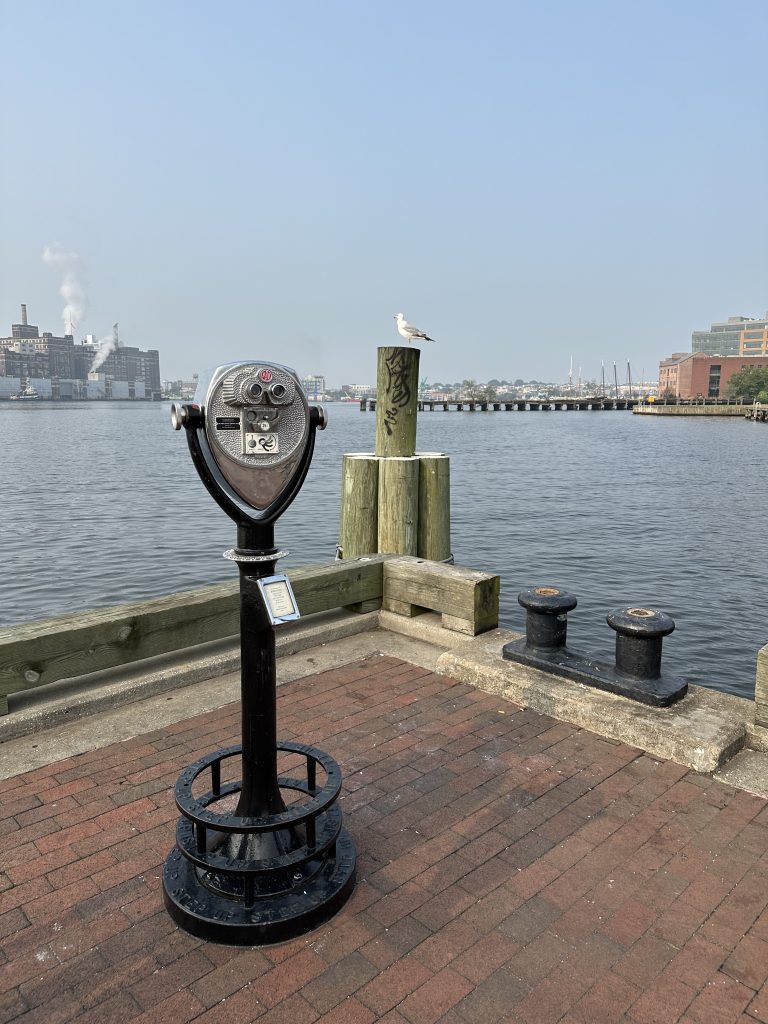
In early 2024, Greg Rising died, and with his passing, the company was put up for sale later in the year. The challenges were deeper than just the payment question. The maintenance crew that the company relied on through decades had dispersed during the pandemic, and all the records the business relied on, from schematics to contacts, were paper-based. Later that year, the company sold to a trio whose backgrounds were in tech. The skills they brought to the company were the skills to bring Tower Optical into today’s market.
Adam Rice, Adam Vojdany, and Dom Puglisi became the owners of Tower Optical in June of 2025. According to Adam Rice, they were all excited about preserving this iconic device in a way that would allow the company to thrive. “I’ve always had an interest in machinery that never gets old,” said Adam Rice. “There’s something cool about these machines.”
They began with digitizing what was in the 275 East Ave headquarters. They looked at what systems were in place and then tackled the contactless payment issue. To fund the engineering work needed, they sold a few of the original machines.
The challenge of modernizing the machines is daunting. Contactless payments still need to “phone home” for authorizations and transaction transmittal. Even in a highly connected area, WiFi and cellular radio waves can be flaky. And for some of the locations, the location of a cell tower, electricity to power the electronics needed, and the weatherproofing needed ,unlike the same issues faced by NASA. That same terrain found in the US western states is actually used by NASA to simulate harsh conditions and test their technology.
But the team remains undaunted. They are close to testing the new payment units. During the beta period, they will concentrate on familiar territory, the northeast.
Developing tap-to-pay was not the only challenge. Adam goes to the warehouse everyday and works with the remaining team that had worked for Tower Optical for years. “I love being able to go somewhere physical and work with my hands.” He explained.
With 2000 units in the field, there’s the ongoing business to keep running. He juggles his work with Tower Optical as a side project for now. The future of the company is in adapting existing machines to accommodate how people pay now. Adam’s entrepreneurial background lends itself to the importance of bootstrapping development.
The other partners, Adam Vojdany and Dom Puglisi, worked on creating and launching a new website and developing the back-office infrastructure needed to manage growth. And Adam is busy sourcing new models of the binoculars to continue to deliver the clear views of iconic locations where the machines are installed. Like many things these days, the model used in the viewers is no longer made. But they have made progress; their battery-operated electronics will operate for 2-6 months on a single charge in the field. This spring, they hope to install 200 of the new cellular-only payment models. “WiFi will come later; we need to test the signal strengths on cellular first,” Adam explained.
“People want to spend less time on their phones,” he said. “Looking in the binoculars is a timeless experience. You don’t always get an opportunity to get involved with a product that is so recognizable. This was such a perfect opportunity.”
Tower Optical lives on. The trio plan to keep it in Norwalk, but have their eyes on expanding from a single viewer to addressing other ways people can see the world. Just not by one quarter at a time.